
The Role of Homeowner Associations in Naples Real Estate
When considering a home purchase in Naples, Florida, one crucial aspect to understand is the role of homeowner associations (HOAs). Associations are common in many Naples communities, especially in gated neighborhoods and condominium buildings. They play a significant role in maintaining quality of life, property values and community standards. Here’s a comprehensive look at what associations do and how they can affect your real estate experience in Naples.
What is a Homeowner Association (HOA)?
A homeowner association is an organization in a planned community, subdivision or condominium that makes and enforces rules for the properties and residents. When you purchase a property within an association’s jurisdiction, you automatically become a member and are required to follow its rules. You’ll also pay dues, known as HOA fees, which fund the association’s activities and services.
In Florida, condominium associations and homeowners’ associations are governed by different laws: condominiums by Chapter 718 of the Florida Statutes and homeowners’ associations by Chapter 720. A condominium association usually maintains the building itself, from the roof to the elevators, while a homeowners’ association in a neighborhood of single-family homes typically maintains only the common areas. That difference shows up in the fees.
Key Roles and Responsibilities of HOAs
1. Maintenance and Upkeep
One of the primary responsibilities of an association is the maintenance and upkeep of common areas and amenities. This can include:
- Landscaping and lawn care
- Swimming pools
- Clubhouses and community centers
- Playgrounds and recreational facilities
- Security gates and guardhouses
- Street lighting and road maintenance
By taking care of these areas, associations help ensure that the community remains clean, attractive and functional.
2. Enforcing Community Rules and Standards
Associations establish and enforce rules to maintain the community’s appearance and harmony. These rules, often outlined in the community’s covenants, conditions and restrictions, can cover a wide range of topics, such as:
- Property appearance and exterior modifications
- Noise levels
- Parking regulations
- Pet restrictions
- Leasing, including minimum lease terms and how many times a year a home may be rented
- Use of common areas
By enforcing these standards, associations aim to protect property values and provide a pleasant living environment for all residents.
3. Managing Finances
Associations manage the community’s finances, including budgeting for maintenance, repairs and improvements. They collect fees from owners and allocate funds to projects and services. Effective financial management is crucial for the long-term health of the community and helps avoid unexpected special assessments. For condominium buildings of three stories or more, Florida has required milestone structural inspections for older buildings and structural integrity reserve studies with funded reserves since 2022, so reserves deserve a close look.
4. Dispute Resolution
Associations often serve as a mediator for disputes between residents. Whether it’s a disagreement over property boundaries, noise complaints or rule violations, the board can help resolve conflicts fairly. This role helps maintain peace and order within the community.
The Pros and Cons of Living in an HOA Community
Pros:
- Well-maintained common areas: Associations ensure that common areas are well kept, enhancing the overall appeal of the community.
- Amenities and services: Many association communities offer amenities such as pools, gyms, clubhouses and beach clubs that might be cost-prohibitive for individual homeowners.
- Property value protection: By enforcing rules and standards, associations help protect property values and create a cohesive community appearance.
- Community cohesion: Associations often organize social events and activities that foster a sense of community.
Cons:
- Fees and assessments: Association fees add to your monthly expenses, and special assessments for unexpected repairs or improvements can arise.
- Restrictions and rules: Associations impose rules that can limit how you use, rent and modify your property. This can feel restrictive for owners who value personal freedom over community conformity.
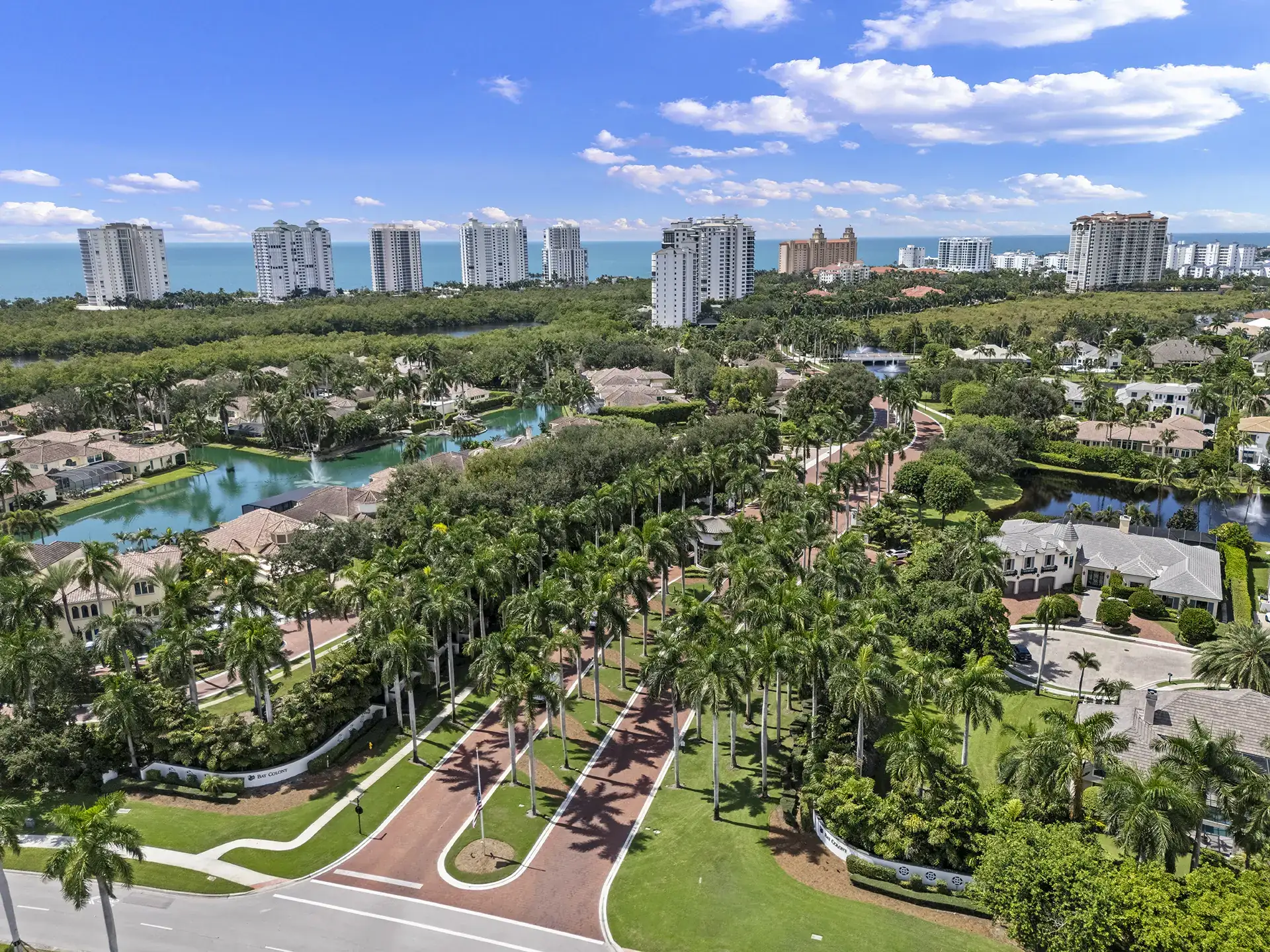
Not every Naples neighborhood has a mandatory association. Royal Harbor, for example, has only a voluntary neighborhood association, while gated communities such as Bay Colony and Pelican Bay pair their fees with private beach clubs and other amenities.
How to Navigate HOAs When Buying in Naples
When purchasing a home in Naples, it’s essential to thoroughly research the association behind the property. Here are some steps to take:
- Read the governing documents: Review the declaration, bylaws, and rules to understand what is expected of owners.
- Review the finances: Check the association’s budget, reserve funds and financial statements, and for a condominium, the structural inspection and reserve study.
- Understand the fees: Be clear about the amount of the fees, what they cover and any pending or likely special assessments.
- Check the leasing and pet rules: They vary building by building, even within one neighborhood, and affect both lifestyle and resale.
- Attend a meeting and talk to residents: Seeing how the board operates, and hearing owners’ experiences, tells you a lot about the community.
Our condo building comparisons for Park Shore and The Moorings put the buildings side by side, and our guide to buying waterfront property in Naples covers the building checks to make before an offer.
Homeowner associations play a pivotal role in many Naples communities, offering well-maintained common areas, valuable amenities and property value protection. They also come with fees, rules and restrictions that can affect your lifestyle. By understanding the role of associations and researching them thoroughly before buying, you can make an informed decision and find the right community for your needs.
At Alpizar & Company, we help buyers read the association documents alongside the property itself. Call (239) 438-1102 to start your search in Naples.
Naples Real Estate - Active Listings
No listings were found matching your search criteria.
How can we help?
Posted by Alyssa Lastre on
Enjoy this blog post? Click here to subscribe for updates
Leave A Comment